
SI BIOGRAFIJA
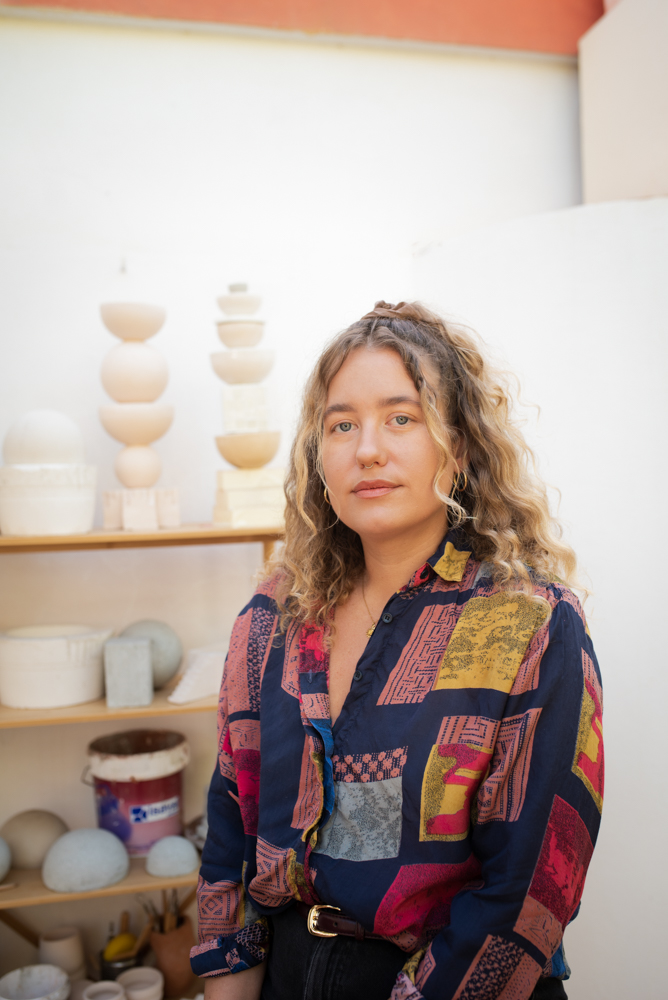
Nika Rosman (1992, Ljubljana) je magistrirala iz likovne pedagogike na Pedagoški fakulteti Univerze v Ljubljani. Že med študijem je aktivno razstavljala in vodila likovne delavnice, leta 2014 pa je ustanovila Likovno društvo NIČ ART, izobraževalno ustanovo na področju vizualne umetnosti.
Po končanem magistrskem študiju se je za nekaj časa preselila v Španijo, kjer je svojo umetniško prakso usmerila v raziskovanje stičišč semiotike v likovni umetnosti in oblikovanju. V svojem delu preučuje, kako likovne spremenljivke in njihova manipulacija vplivajo na funkcijo oziroma disfunkcijo objekta. Osredotoča se na predmetno kodifikacijo ter na vprašanje, kako upoštevanje ali odmik od morfoloških načel strukturira podobotvorne značilnosti oblike. Pri tem preizprašuje trenutke, ko forma sledi logiki uporabnosti, jo presega ali zavrača, ter načine, kako se objekt ob tem premešča med kiparskim izrazom in oblikovalskim jezikom. Zanima jo tudi, kako ti premiki na estetski in semantični ravni vplivajo na tipološko umeščanje objekta.
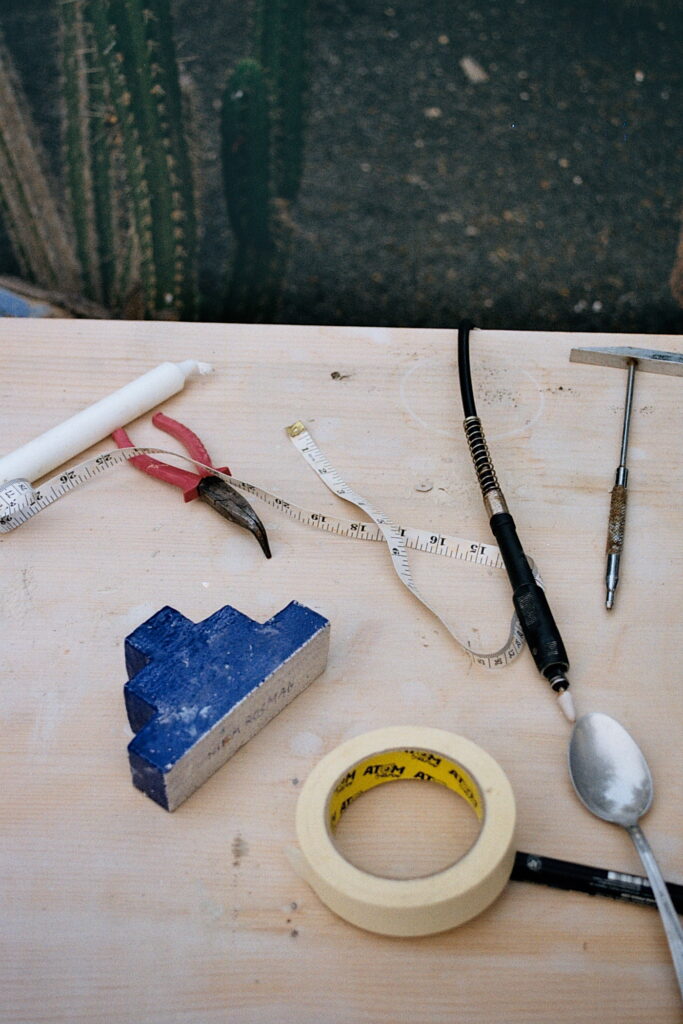
Njena ustvarjalna praksa temelji predvsem na kiparstvu in keramiki. Ponavljajoči se tehnični element njenega dela je vključevanje tradicionalnih španskih tehnik poslikave keramičnih ploščic v sodobno kiparsko prakso. S tem raziskuje transformacijo tradicionalnega rokodelskega postopka ter razmerje med tehničnimi strategijami, likovno-teoretskimi načeli in konotacijo končnega dela.
Nika Rosman svoja dela redno predstavlja na samostojnih in skupinskih razstavah. Leta 2026 je za delo Tobogan prejela Nagrado UNICUM za mladega umetnika na 6. Mednarodnem trienalu keramike UNICUM. Delo bo po zaključku razstave prešlo v zbirko Narodnega muzeja Slovenije.
EN BIOGRAPHY
Nika Rosman (born 24 July 1992, Ljubljana) completed her studies in Art Education at the Faculty of Education in Ljubljana. During her studies, she led numerous art workshops and actively exhibited her work. In 2014 she founded the visual arts education platform NIČ ART.
After completing her master’s degree, she lived for a period in Spain, where she directed her artistic practice toward exploring intersections of semiotics within fine art and design. She examines how formal qualities—and their manipulation—shape the functional or dysfunctional character of an object. Her research focuses on object codification and investigates how adherence to or deviation from morphological principles structures the image-forming characteristics of form. She further questions how form aligns with, exceeds, or negates functional logic, and how it shifts between sculptural expression and the language of design. She also examines how these processes—on aesthetic and semantic levels—structure the typological positioning of the object.
A recurring technical element of her practice is the inclusion of traditional Spanish tile-painting techniques within sculptural contexts. Through this approach she investigates the translation of historically craft-based procedures into contemporary sculptural practices and explores how technical strategies interact with art-theoretical principles to shape the connotative framework of the final work. Her artistic practice primarily encompasses sculpture and ceramic art, and she regularly presents her work in solo and group exhibitions. In 2026, she received the UNICUM Young Artist Award for her work Tobogan at the 6th International Triennial of Ceramics UNICUM. Following the exhibition, the work will become part of the collection of the National Museum of Slovenia.
ES BIOGRAFÍA
Nika Rosman (nacida el 24 de julio de 1992 en Liubliana) completó sus estudios de Educación Artística en la Facultad de Educación de Liubliana. Durante sus estudios dirigió numerosos talleres artísticos y expuso activamente su obra. En 2014 fundó la plataforma de educación artística NIČ ART.
Tras finalizar su máster, se trasladó durante un tiempo a España, donde orientó su práctica artística a la investigación de las intersecciones entre la semiótica en las bellas artes y el diseño. Examina cómo las cualidades formales —y su manipulación— influyen en el carácter funcional o disfuncional del objeto. Su investigación se centra en la codificación del objeto y en cómo la adhesión o desviación de los principios morfológicos estructura el carácter generador de imagen de la forma. Asimismo, cuestiona cómo la forma sigue, supera o rechaza la lógica de la funcionalidad, y cómo se desplaza entre el lenguaje escultórico y el diseño. También estudia cómo estos procesos —en los niveles estético y semántico— estructuran la ubicación tipológica del objeto.
Un elemento técnico recurrente de su práctica es la incorporación de técnicas tradicionales españolas de pintura sobre azulejo en contextos escultóricos. Con este enfoque investiga la transformación de procedimientos históricamente artesanales dentro de prácticas escultóricas contemporáneas, y cómo las estrategias técnicas dialogan con principios teóricos para conformar el marco connotativo de la obra final. Su práctica artística se centra principalmente en la escultura y la cerámica, y presenta regularmente su obra en exposiciones individuales y colectivas. En 2026 recibió el Premio UNICUM para Jóvenes Artistas por su obra Tobogan en la 6.ª Trienal Internacional de Cerámica UNICUM. Tras finalizar la exposición, la obra pasará a formar parte de la colección del Museo Nacional de Eslovenia.
razstave in nagrade/ exhibitions and awards/ exposiciones y eremios/ https://razume.mg-lj.si/umetnik.php?id=30009